Medical Prescription: A Designer’s Review for Embroidery Projects
As an embroidery designer who has spent years digitizing patterns and testing them on everything from stiff denim to delicate baby knits, I approach every new machine embroidery design with a critical eye. It is not enough for a graphic to look good on a screen; it must translate seamlessly into thread. Today, I am evaluating the Medical Prescription design, a piece that sits at the intersection of professional healthcare aesthetics and playful craft appeal. This review is written for fellow designers, Etsy sellers, and handmade shop owners who need to know if this asset will hold up in real-world production.
First Impressions and Visual Personality
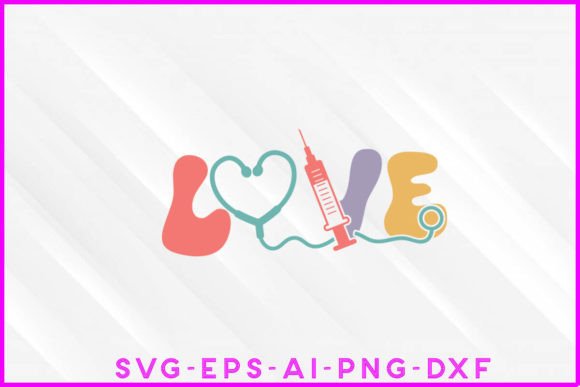
The first thing that strikes me about the Medical Prescription graphic is its clean, recognizable silhouette. In the world of Icons and Graphics, clarity is king. This design avoids unnecessary clutter, focusing on the universal symbol of a prescription pad or script. For an embroidery project, this simplicity is a significant advantage. Complex gradients and tiny details often get lost in translation when converted to stitch data, but this layout suggests a strong structural integrity.
The mood it creates is trustworthy yet approachable. It does not feel sterile; rather, it feels like a nod to care and professionalism. When I visualize this stitched out, I see it working beautifully as a focal point on a nurse’s tote bag or as a subtle chest emblem on a medical student’s sweatshirt. The visual personality is balanced, offering enough detail to be interesting without becoming a nightmare of trim points and jump stitches.
Real-World Application: The Custom Tote Scenario
To truly test the viability of this design, let us imagine a specific client request. A local clinic wants branded merchandise for their staff appreciation week. They have ordered custom canvas tote bags. This is where Medical Prescription shines. Canvas provides a stable, woven surface that handles stitch density well.
In this scenario, I would likely use a combination of satin stitch for the bold outlines and a light fill stitch for any internal shading or background elements. The result would be a crisp, professional-looking tote bag design that withstands daily use. Customers—whether they are nurses, doctors, or administrative staff—value items that reflect their profession with dignity. This design delivers that recognition without being overly literal or cartoonish. It elevates the handmade product from a simple gift to a piece of professional pride.
Versatility Across Product Lines
Beyond totes, this embroidery file shows promise in several other categories. For custom apparel, such as scrub caps or lab coats, the design’s compact nature allows it to fit comfortably in smaller hoop sizes. It could also serve as an excellent embroidered patch design, where the edges can be finished with a dense satin border to prevent fraying.
For those running a craft business focused on gifts, consider the baby embroidery market. While the theme is medical, the soft execution could work for a "Future Doctor" onesie or a nursery decor item for parents in the healthcare field. The key here is thread choice. Using pastel blues or soft greens instead of stark clinical white can soften the look, making it suitable for a personalized gift that feels warm and inviting.
Technical Considerations for Stitching
While the visual appeal is strong, we must address the technical realities of stitching Medical Prescription. The product description notes that the files are available in AI, EPS, SVG, JPG, PNG, and DXF formats, with a canvas size of 1920 px by 1280 px. It is crucial to understand that these are primarily vector and raster graphics, not necessarily pre-digitized embroidery files like PES or DST.
This means you, the designer, will likely need to digitize this artwork yourself or use auto-digitizing software with caution. When converting this digital embroidery file, pay close attention to stitch density. If the original graphic has fine lines, you may need to simplify them to prevent thread breaks. Always test the design on scrap fabric first. Check how the thread colors interact with the fabric texture. On textured fabrics like terry cloth towels, fine details may sink in, so increasing the stitch count or using an underlay stitch is essential.
Fabric and Hoop Constraints
Where should you use this design carefully? Avoid placing it on highly stretchy fabrics without a robust stabilizer. The structural lines of the prescription icon could distort if the fabric pulls during wear. Also, be mindful of curved surfaces like caps. If the design is too wide, it may wrap around the curve uncomfortably. In such cases, scaling down the hoop size and simplifying the inner details will ensure the finished product looks professional.
Dark fabrics present another challenge. If you are stitching white thread on navy blue scrubs, ensure your digitizing includes proper underlay stitches to prevent the background color from showing through. A running stitch outline can help define edges on dark materials where contrast might otherwise be lost.
Commercial Value and Brand Consistency
For Etsy sellers and small shop owners, the value of Medical Prescription lies in its niche appeal. Healthcare workers are a dedicated demographic that frequently purchases personalized items. By offering this design on aprons, tea towels, or blankets, you tap into a market that values both utility and identity.
Using this design asset in your printable mockup previews can significantly boost buyer engagement. Show the design on a variety of backgrounds to demonstrate its versatility. However, always confirm licensing before selling finished items. Since the source files include vector formats like AI and EPS, you have the flexibility to modify colors and shapes to match specific brand guidelines, ensuring consistency across your small shop product line.
Final Verdict for Designers
The Medical Prescription design is a solid choice for creators looking to expand their portfolio into the healthcare and professional gift sectors. Its strength lies in its simplicity and recognizability. However, success depends on your digitizing skills and material choices.
- Test on multiple fabric types to determine optimal stabilizer usage.
- Adjust stitch density for textured or stretchy materials.
- Use high-contrast thread colors for maximum visibility.
- Verify commercial rights if selling the final embroidered goods.
By treating this graphic as a foundation rather than a final product, you can create high-quality commercial embroidery pieces that resonate with customers. Whether for a holiday gift for a nurse or a boutique branding item, this design offers the professional polish needed to stand out in a crowded marketplace.